

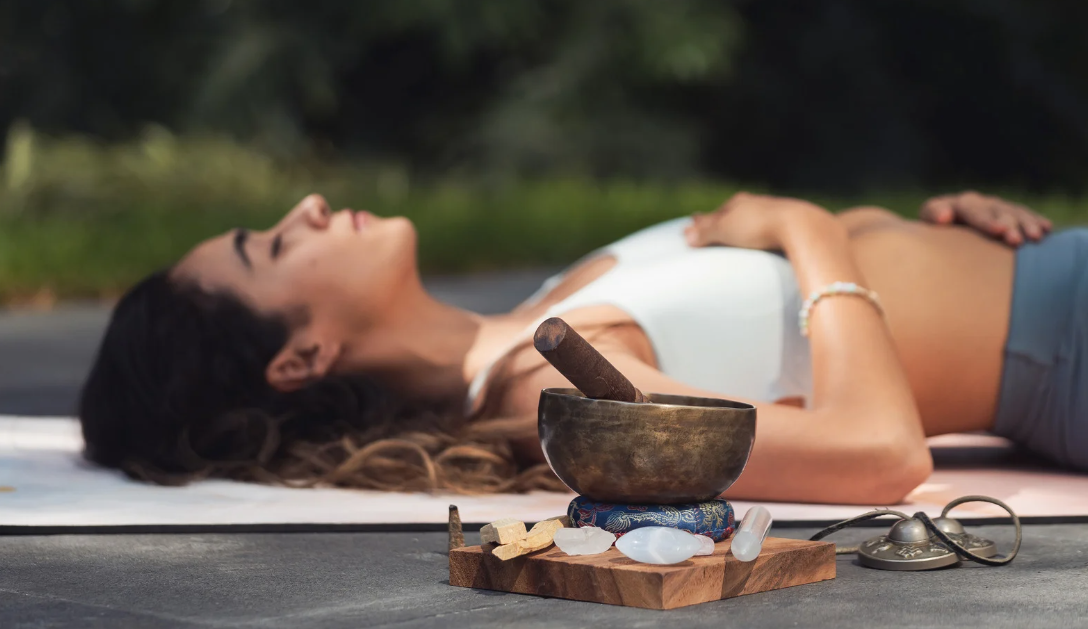
Chakras are spiritual concepts used in Hindu, Buddhist, yogic and modern wellness traditions to describe centers of subtle energy and symbolic areas of life. They are not anatomical organs, and medicine has no laboratory test that diagnoses a “blocked chakra.” People may use chakra meditation, yoga, journaling, color, sound or crystals as reflective practices, but physical or mental symptoms should be evaluated by a qualified health professional rather than attributed to an energy blockage.
Health and safety note: Chest pain, breathing difficulty, severe headache, persistent digestive problems, reproductive symptoms, thyroid concerns, depression, anxiety or other significant symptoms require appropriate medical or mental-health care. Chakra work should not delay diagnosis or treatment.
What Does Chakra Balance Mean?
In spiritual practice, a “balanced” chakra usually means that a person feels able to engage with the theme associated with that chakra. Someone reflecting on the root chakra may focus on safety and stability. Someone reflecting on the throat chakra may focus on honest communication.
The word “balance” is therefore best understood as a spiritual or personal-development metaphor. It is not a medical measurement. Feeling calmer after meditation may be real and valuable, but it does not prove that an invisible energy center was physically repaired.
The Seven-Chakra System
Many modern yoga and New Age traditions describe seven major chakras arranged from the base of the spine to the crown of the head. Systems and interpretations vary, so the associations below should be treated as common traditions rather than universal facts.
Root Chakra — Muladhara
Traditional area: Base of the spine
Common themes: Safety, stability, home, belonging and material needs
Reflection: What helps me feel practically secure and grounded?
Sacral Chakra — Svadhisthana
Traditional area: Lower abdomen
Common themes: Creativity, pleasure, emotion, intimacy and adaptability
Reflection: Where do I need healthier expression, enjoyment or boundaries?
Solar Plexus Chakra — Manipura
Traditional area: Upper abdomen
Common themes: Confidence, agency, motivation and personal power
Reflection: What choice can I make without giving away my responsibility?
Heart Chakra — Anahata
Traditional area: Center of the chest
Common themes: Love, compassion, grief, forgiveness and connection
Reflection: How can I care for others while maintaining healthy limits?
Throat Chakra — Vishuddha
Traditional area: Throat
Common themes: Communication, truth, listening and self-expression
Reflection: What needs to be said clearly, respectfully and safely?
Third Eye Chakra — Ajna
Traditional area: Between the eyebrows
Common themes: Insight, imagination, intuition and perspective
Reflection: Which assumptions should I examine before trusting an impression?
Crown Chakra — Sahasrara
Traditional area: Top of the head
Common themes: Meaning, spiritual connection, humility and transcendence
Reflection: What gives my life meaning without separating me from practical reality?
What People Mean by a Blocked Chakra
Spiritual writers may use “blocked,” “overactive” or “underactive” to describe a difficult relationship with a chakra’s theme. For example, fear about housing may be interpreted through the root chakra, while difficulty speaking up may be interpreted through the throat chakra.
These descriptions can be useful prompts, but they are not diagnoses. Anxiety may have psychological, medical, social or financial causes. A sore throat may involve infection, allergies, reflux or another physical condition. The chakra label should never replace ordinary investigation.
Safer Ways to Explore Chakra Practices
Yoga and movement
Yoga may support flexibility, balance, stress management and general wellness for some people. Choose a qualified instructor, tell the instructor about injuries or health conditions and avoid extreme poses when you are new. A pose does not medically “open” an organ or cure a condition.
Meditation and visualization
You might focus on one theme, color or area of the body while breathing gently. Keep sessions brief at first. Stop if the practice increases panic, intrusive thoughts, dissociation or distress, and seek appropriate support when needed.
Journaling
Use the chakra themes as questions. A root-chakra journal can address budgets, housing and routines. A heart-chakra journal can explore grief, connection and boundaries. This keeps the practice connected to concrete life circumstances.
Affirmations
Choose realistic statements that support action. “I will review my finances this week” is more useful than a statement promising that money will appear. “I can practice speaking clearly” leaves room for growth without demanding instant perfection.
Color, crystals and sound
Colors, stones, singing bowls, chanting or music may serve as symbols and attention cues. There is no established evidence that a particular crystal or frequency removes a physical energy blockage. Use them because they support reflection or ritual, not as replacements for treatment.
Common Chakra Practices by Theme
- Root: establish a routine, walk outdoors, review practical needs and make a stability plan
- Sacral: create art, dance gently, identify emotions and review consent or relationship boundaries
- Solar plexus: set one achievable goal, practice assertiveness and notice where control is being avoided or overused
- Heart: practice compassion, write about grief, offer support and maintain appropriate limits
- Throat: prepare an honest conversation, sing, write or practice active listening
- Third eye: journal dreams, compare intuition with evidence and consider alternative explanations
- Crown: meditate, pray, study a spiritual tradition or volunteer in a way that connects belief with action
Yoga Poses and Chakra Symbolism
Some yoga teachers pair poses with chakra themes. Mountain pose may symbolize grounding; hip-opening poses may be linked with sacral themes; gentle backbends may be associated with openness; and seated meditation may be linked with the crown. These are teaching traditions, not proof that a pose treats a chakra-related illness.
Shoulder stands, headstands, lotus position and forceful breathing are not appropriate for everyone. People who are pregnant, older, injured or living with health conditions should ask a qualified health professional and instructor about modifications.
Crystals Traditionally Paired With Chakras
- Root: Red Jasper or Hematite
- Sacral: Carnelian or Orange Calcite
- Solar plexus: Citrine or Tiger’s Eye
- Heart: Rose Quartz or Green Aventurine
- Throat: Lapis Lazuli or Aquamarine
- Third eye: Amethyst or Sodalite
- Crown: Clear Quartz or Selenite
These pairings are symbolic. Do not ingest crystals, make unverified crystal elixirs or place stones where they create a choking or injury risk.
Essential Oils and Aromatherapy Safety
Essential oils can irritate skin, trigger allergies, interact with health conditions and be dangerous if swallowed. Some oils are unsafe around children, pets or during pregnancy. Do not apply undiluted oils, place them in the eyes or mouth, or treat them as cures. Check product-specific safety information and discuss use with a health professional when you take medicine or have a medical condition.
Food, Fasting and Chakra Claims
Eating red, orange, yellow, green or purple foods can add variety to a normal diet, but food color does not prove that a chakra is being healed. Choose nutrition based on your health needs, allergies and professional guidance rather than a color chart.
Fasting is not required for crown-chakra work and can be risky for people with diabetes, eating disorders, pregnancy, medication needs or other health conditions. Do not begin fasting for a spiritual practice without appropriate medical guidance.
What About Reiki and Energy Healing?
Reiki practitioners describe directing or facilitating a healing energy. The National Center for Complementary and Integrative Health states that Reiki has not been clearly shown effective for a health-related purpose and that scientific evidence does not support the proposed energy field. A person may still find the quiet setting relaxing, but Reiki should not replace medical or mental-health treatment.
When to Seek Professional Care
- Persistent or severe pain
- Chest pressure, breathing trouble or fainting
- Thyroid, reproductive or digestive symptoms
- Severe headaches, vision changes or neurological symptoms
- Depression, panic, trauma symptoms or thoughts of self-harm
- Sleep loss, confusion or difficulty distinguishing spiritual experiences from daily reality
In an emergency, contact local emergency services. Spiritual practice can be part of personal meaning, but urgent symptoms require evidence-based care.
Frequently Asked Questions
Are chakras real parts of the body?
Chakras are spiritual concepts rather than anatomical organs recognized by modern medicine.
How do I know whether a chakra is blocked?
There is no medical test for a blocked chakra. You may use the themes as reflective prompts, but physical and mental symptoms need ordinary assessment.
Can chakra meditation improve wellness?
Meditation may support relaxation or self-awareness for some people. That benefit does not prove that a subtle-energy center was physically changed.
Can crystals balance chakras?
Crystals are used symbolically in many spiritual practices, but there is no established evidence that they correct an energy blockage or treat disease.
Is yoga safe for chakra work?
Yoga is generally considered safe for healthy people when practiced appropriately with qualified instruction, but injuries can occur and some people need modifications.
Final Perspective
Chakra work can be a meaningful spiritual language for examining security, creativity, confidence, love, communication, insight and purpose. Its safest use is symbolic and reflective. Keep helpful rituals, discard claims that create fear or replace treatment, and bring persistent symptoms to qualified professionals.
Sources and Editorial Notes
- NCCIH: Yoga Effectiveness and Safety
- NCCIH: Reiki Evidence and Safety
- NCCIH: Safe Use of Complementary Health Practices
- NCCIH: Meditation, Relaxation and Stress
- Expert Psychics Editorial Policy
Last reviewed: August 17, 2026.