

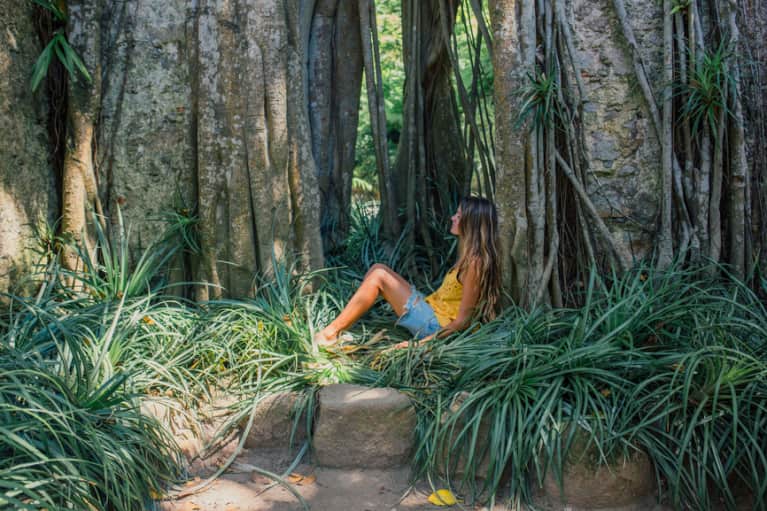
Time in nature can support reflection, movement, sensory change, connection and a break from demanding routines. Some people describe this as healing with Mother Nature, receiving Earth energy or returning to spiritual balance. Those meanings can be valuable, but nature is not a guaranteed cure and outdoor settings have real limits involving weather, air quality, terrain, wildlife, access and health.
How can nature support wellbeing?
Choose a setting that matches your body, access needs and local conditions; orient to what you can actually see, hear and feel; use gentle movement or quiet observation; connect the experience with one value or practical action; and end before exhaustion. Check weather, air quality, route, daylight, water, medication and emergency needs. Nature time may complement care, but it should not replace diagnosis, treatment or crisis support.
The six-part nature-grounding plan
Choose
Select an accessible place, duration and level of activity.
Check
Review weather, air, daylight, terrain and personal health needs.
Orient
Notice location, support, exits and sensory details.
Engage
Walk, sit, observe, create, pray or reflect without forcing calm.
Connect
Name a value, relationship or practical action.
Close
Return safely, meet body needs and review the effect.
Nature is a setting, not one treatment
“Nature” can mean a wilderness trip, an urban park, a garden, a balcony, a tree viewed through a window, a community greenhouse, water, sky, weather sounds or caring for a houseplant. Activities differ in physical demand and risk.
| Nature experience | Possible support | Planning question |
|---|---|---|
| Sitting near a window | Light, visual distance and seasonal awareness | Is glare, heat or privacy an issue? |
| Accessible park visit | Change of setting, social contact and gentle movement | Are paths, seating, toilets and transport usable? |
| Garden or plant care | Routine, attention and visible progress | Are soil, tools, allergies and lifting safe? |
| Neighborhood walk | Movement and orientation | What are traffic, lighting, weather and mobility conditions? |
| Forest or trail outing | Immersion, quiet and challenge | Do skill, equipment, navigation and conditions match the route? |
| Water setting | Sound, reflection and recreation | What are currents, temperature, barriers and supervision needs? |
No setting is spiritually superior. A five-minute view of the sky may be more useful than a difficult hike that exceeds capacity.
Spiritual meanings of Mother Nature
Relationship
Nature may be understood as kin, creation, sacred presence or a living community rather than a resource alone.
Cycle
Seasons can symbolize rest, growth, release, uncertainty and renewal.
Perspective
Large landscapes or long natural timelines may reduce the sense that one moment is the whole story.
Responsibility
Connection may encourage conservation, care for place and respect for community.
Keep spiritual interpretation specific to your belief or tradition. Do not claim that all Indigenous peoples, all ancient cultures or every nature-based religion teaches the same concept.
A respectful practice asks whose land and community are involved, follows local rules and avoids taking cultural objects, ceremonies or identities without context and permission.
Step 1: Choose an accessible setting
Accessibility includes mobility, fatigue, pain, sensory needs, cognition, transportation, cost, language, safety and whether another person is available to assist.
- Look for firm paths, curb cuts, seating and accessible toilets.
- Confirm distance and elevation rather than relying on “easy” labels.
- Choose lower-noise times when crowds are overwhelming.
- Use shade, indoor conservatories or window views when heat or sun is a concern.
- Bring needed mobility, communication and medical equipment.
- Plan an exit that does not depend on pushing through symptoms.
Virtual nature videos, sound recordings and indoor plants may also support attention and meaning. They are not lesser practices.
Step 2: Check conditions before leaving
| Condition | What to check | Possible adjustment |
|---|---|---|
| Weather | Temperature, precipitation, wind, lightning and warnings | Change time, route, clothing or date |
| Air quality | Smoke, pollution, pollen and local alerts | Use indoor options or reduce exertion |
| Daylight | Sunset, visibility and route duration | Start earlier and carry suitable lighting |
| Terrain | Surface, elevation, mud, ice, closures and water crossings | Choose a shorter or more accessible route |
| Health | Medication, hydration, pain, allergies and emergency plan | Bring supplies and follow clinical guidance |
| Communication | Signal, check-in and emergency access | Share the plan and do not rely only on a phone |
Use official local forecasts and alerts. AirNow provides U.S. air-quality information; use the official service for your country or region.
Heat, cold and severe weather
Spiritual intention does not prevent exposure
- Reduce activity during extreme heat or cold.
- Use shade, layers and appropriate footwear.
- Carry water according to health and route needs.
- Know the signs of heat or cold illness.
- Leave open areas when lightning threatens.
- Follow evacuation, wildfire, flood and closure instructions.
The CDC provides information about heat and health. Symptoms of serious heat illness, hypothermia or other emergencies need prompt medical response.
Step 3: Orient before interpreting
Grounding begins with current facts.
- Name the place, date and time.
- Notice where your body is supported.
- Identify the route back, exit or nearby people.
- Notice three colors, three sounds and one texture.
- Check temperature, breath and energy without changing them forcefully.
- Ask what the body needs before assigning spiritual meaning.
Use Grounding Techniques: Calm, Orientation and Daily Safety for more externally focused practices.
A five-minute nature reset
“I am here in this place. I notice light, sound, temperature and support. I do not need a message. I will choose one action that respects my body and the place around me.”
- Look at one stable object such as a tree, cloud, stone or plant.
- Notice shape and color without naming symbolism.
- Feel your points of support.
- Let breathing remain natural.
- Name one emotion and one physical need.
- Choose whether to continue, change position or finish.
Step 4: Engage without forcing calm
Nature does not always feel peaceful. Wind, insects, crowds, memories, uneven ground and isolation can increase distress. A useful practice allows a neutral or difficult experience.
Observation
Describe patterns, sounds, movement and seasonal changes.
Movement
Walk, roll, stretch or move within health and access limits.
Creativity
Sketch, photograph, write or collect impressions without damaging the place.
Spiritual reflection
Pray, contemplate, express gratitude or use a personal symbol.
Connection
Share the visit with a trusted person or community group.
Service
Join a credible cleanup, stewardship or conservation effort.
Walking and physical activity
Walking and other movement may support health when appropriate to the person. Start from current ability rather than a spiritual challenge.
- Begin with a duration you can recover from.
- Increase distance or intensity gradually.
- Use suitable mobility aids and footwear.
- Choose accessible alternatives to stairs, roots or steep grades.
- Stop for concerning pain, faintness, severe breathlessness or neurological symptoms.
- Ask a qualified clinician about relevant limitations.
The CDC explains general benefits and forms of physical activity. Individual needs vary, and some people need tailored clinical or rehabilitation advice.
Sitting quietly outdoors
Stillness can be useful when movement is not desired or possible. Choose a supported seat, limit exposure and keep awareness of surroundings. Closing the eyes is optional.
- Use a timer.
- Keep medication, phone and mobility equipment accessible.
- Do not sit in unsafe heat, cold, smoke or isolation.
- Leave if a person, animal or condition creates concern.
- End before numbness, pain or severe fatigue.
For a values-based approach, read Spiritual Meditation: Meaning, Methods and Boundaries.
Step 5: Connect insight with action
A spiritual impression becomes more grounded when it leads to an observable, proportionate action.
| Nature symbol | Possible reflection | Practical action |
|---|---|---|
| New growth | What needs patient development? | Schedule one small practice session. |
| Fallen branch | What has ended or needs repair? | Complete one closure or maintenance task. |
| Flowing water | Where is flexibility needed? | Revise one plan using current information. |
| Deep roots | Which support keeps life stable? | Contact a trusted person or protect a routine. |
| Changing weather | What cannot be controlled? | Create a backup plan. |
| Shared habitat | How are needs interconnected? | Contribute to a local community or conservation effort. |
The symbol is chosen, not proven. A bird, cloud or storm does not provide verified permission to make a medical, legal, financial or relationship decision.
Step 6: Close and review
- Return by the planned route before conditions worsen.
- Check hydration, food, medication, temperature and pain.
- Remove ticks or contaminants according to local health guidance.
- Record observation separately from spiritual interpretation.
- Name one useful effect and one difficulty.
- Choose the next review date rather than chasing the feeling.
A complete practice can be brief
You do not need a dramatic revelation. Returning with steadier attention, useful information or one practical action is enough.
Nature and stress
A change of setting, gentle movement, daylight and reduced digital demand may support some people. Nature is not always available, safe or calming, and stress also arises from money, discrimination, illness, caregiving, housing and work conditions that require practical solutions.
Nature and grief
Seasons, memorial trees, water and familiar places may support remembrance. Grief does not follow a natural timetable, and a peaceful moment does not mean grief is finished.
- Choose a setting connected with safety rather than obligation.
- Bring support when the place may be emotionally intense.
- Keep memorial objects lawful and environmentally safe.
- Do not scatter remains without permission and legal guidance.
- Leave before exhaustion.
- Use grief support when functioning is affected.
Nature and trauma
Outdoor space can feel expansive to one person and unsafe to another. Isolation, darkness, water, weather, animals and unfamiliar sounds may activate trauma responses.
Trauma-informed nature practice
- Choose a familiar location and daylight.
- Bring a trusted person or remain near others.
- Keep eyes open and exits visible.
- Avoid forced silence, blindfolds and surprise touch.
- Use short sessions with a planned end.
- Stop when flashbacks, dissociation or panic intensify.
Nature time may accompany trauma treatment but should not replace qualified support.
Eco-anxiety and climate grief
Concern about environmental loss can involve grief, anger, fear and helplessness. More exposure to alarming information is not always the answer.
- Choose reliable information windows.
- Name what is local and actionable.
- Join a credible group rather than carrying the issue alone.
- Set limits on doomscrolling.
- Protect sleep and ordinary relationships.
- Allow rest without treating it as indifference.
One person is not responsible for solving a global problem alone.
Urban nature counts
Meaningful nature contact does not require travel or wilderness access.
- Street trees and community gardens
- Courtyards, rooftops and balconies
- Public parks and waterfront paths
- Libraries or conservatories with plant views
- Birds, clouds and seasonal light
- Indoor plants and recorded natural sound
Notice safety, accessibility and whether the space is genuinely public. Do not trespass to reach a place presented online as a secret energy site.
Water safety
Water deserves specific planning
- Do not enter unfamiliar water alone.
- Check currents, tides, temperature, weather and closures.
- Use suitable flotation and supervision.
- Avoid alcohol and substances around water.
- Keep children within active supervision.
- Do not rely on spiritual protection or swimming confidence alone.
A cleansing ritual does not require entering water. You can observe, listen or use a normal shower at home.
Wildlife, plants and insects
- Observe wildlife from a safe distance.
- Do not feed, touch or corner animals.
- Follow local guidance for bears, snakes and other wildlife.
- Do not eat a plant or mushroom without expert identification and safety knowledge.
- Check for ticks and use local prevention guidance.
- Respect nesting, seasonal and protected areas.
- Keep pets controlled and follow leash rules.
Leave the place intact
A nature ritual should not become litter
- Do not leave crystals, candles, salt, glitter, wire, cloth or food.
- Do not carve trees or arrange protected stones.
- Do not remove archaeological or cultural objects.
- Do not bury offerings.
- Follow fire bans and local access rules.
- Pack out everything you bring.
Connection is better expressed through care than through leaving proof that a ritual occurred.
Children and nature practice
Children benefit from age-appropriate freedom within active safety planning.
- Use direct supervision around water, roads, cliffs and fire.
- Teach children not to eat unknown plants or mushrooms.
- Respect sensory, mobility and communication needs.
- Use sun, weather and insect protection appropriate to local guidance.
- Let a child decline a spiritual interpretation.
- Do not frame injuries or fear as failure to connect with Earth.
Pets and outdoor rituals
- Check heat, cold, terrain and water access.
- Use leash and wildlife rules.
- Do not let pets lick oils, salt, plants or mineral specimens.
- Provide shade, rest and species-appropriate water.
- Do not leave animals unattended in vehicles.
- Use a veterinarian for health concerns.
Nature cannot diagnose or cure illness
Outdoor time may support wellbeing, but it cannot diagnose infection, cancer, depression, trauma, infertility, chronic pain or another condition. A spiritual feeling of healing does not confirm that a disease has resolved.
Do not delay care
Use qualified medical or mental-health assessment for persistent, worsening or severe symptoms. Do not stop medication or treatment because a retreat leader, reader or nature experience says the body is healed.
When depression or anxiety makes going outside hard
Start with an option small enough to complete.
| Current capacity | Possible nature contact |
|---|---|
| Very low energy | Open curtains or look at the sky for one minute. |
| Limited mobility | Sit near an accessible entrance, window or indoor plant. |
| High anxiety | Stand at the doorway with a trusted person. |
| Sensory overload | Choose a quiet time or use a recorded nature sound at low volume. |
| Moderate capacity | Take a short familiar route with a clear turnaround point. |
| Improving capacity | Join a structured accessible activity or group. |
Difficulty going outside is not spiritual failure. Treatment, accessibility and practical support may be necessary.
Retreat and guide red flags
Be cautious when an outdoor or spiritual guide
- Guarantees healing, awakening or psychic powers.
- Requires unsafe fasting, sleep loss, substances or exposure.
- Discourages medication, mobility aids or medical care.
- Uses surprise touch, isolation or nudity without informed consent.
- Dismisses weather, wildfire or closure instructions.
- Claims sacred access that local communities do not recognize.
- Uses fear to sell escalating ceremonies.
- Has no emergency, accessibility or safeguarding plan.
Evaluate whether nature time is helping
| Measure | Question |
|---|---|
| Body | Did pain, fatigue and recovery remain manageable? |
| Mood | Did the experience support steadiness without requiring forced positivity? |
| Functioning | Did sleep, work and relationships remain stable? |
| Access | Was the setting realistically usable and dignified? |
| Safety | Were weather, air, route and health needs respected? |
| Meaning | Did reflection lead to one practical value-based action? |
| Environment | Was the place left undamaged? |
A seven-day nature wellbeing plan
- Day 1: choose the smallest accessible nature contact.
- Day 2: practice two minutes of orientation.
- Day 3: add gentle movement or supported sitting.
- Day 4: notice one personal symbol without treating it as a prediction.
- Day 5: take one practical environmental or community action.
- Day 6: review weather, access and body needs.
- Day 7: decide what to continue, modify or stop.
Nature connection can be ordinary
A grounded practice does not require wilderness, perfect calm or a supernatural message. Attention, access, care and safe return are enough.
Related nature and grounding guides
- Spiritual Time in Nature: Reflection, Safety and Access
- Grounding Techniques
- Spiritual Meditation
- Crystalline Energy Grid
- Positive Aura Practices
Frequently asked questions
1. Can nature improve wellbeing?
Time outdoors or near natural features may support movement, attention, reflection and connection, but effects vary.
2. Does nature cure depression or anxiety?
No. Nature time may complement care but should not replace qualified assessment or treatment.
3. What is Mother Nature healing?
It is spiritual language for finding connection, perspective or restoration through the natural world.
4. Do I need to hike?
No. A park bench, garden, window view, balcony, indoor plant or nature recording can be meaningful.
5. How long should I spend outside?
Choose a duration that fits health, access and conditions. A brief repeatable practice may be better than overexertion.
6. What should I check before going out?
Review weather, air quality, daylight, route, water, medication, access and emergency needs.
7. What if nature makes me anxious?
Choose a familiar populated place, keep exits visible, bring support and use short eyes-open sessions.
8. Does urban nature count?
Yes. Trees, parks, gardens, sky, water and indoor plants can all support reflection.
9. Can I use nature symbols for guidance?
You may use them as personal prompts, but they do not verify predictions or high-stakes decisions.
10. Is water cleansing necessary?
No. Do not enter unsafe water; observation or a normal shower can provide the same symbolic transition.
11. Can I leave offerings outdoors?
Do not leave materials that create litter, wildlife risk or cultural disrespect. Follow local rules.
12. How can disabled people practice nature grounding?
Use accessible paths, seating, indoor options, window views, assistance and practices adapted to individual needs.
13. What are retreat red flags?
Guaranteed healing, unsafe exposure, coercion, anti-medical claims, secrecy and ignored weather warnings are concerns.
14. When should I seek medical help?
Use appropriate care for severe, new or persistent symptoms and emergency services for immediate danger.
15. What is the simplest nature practice?
Choose a safe accessible place, notice three sensory details, meet one body need and leave before exhaustion.