

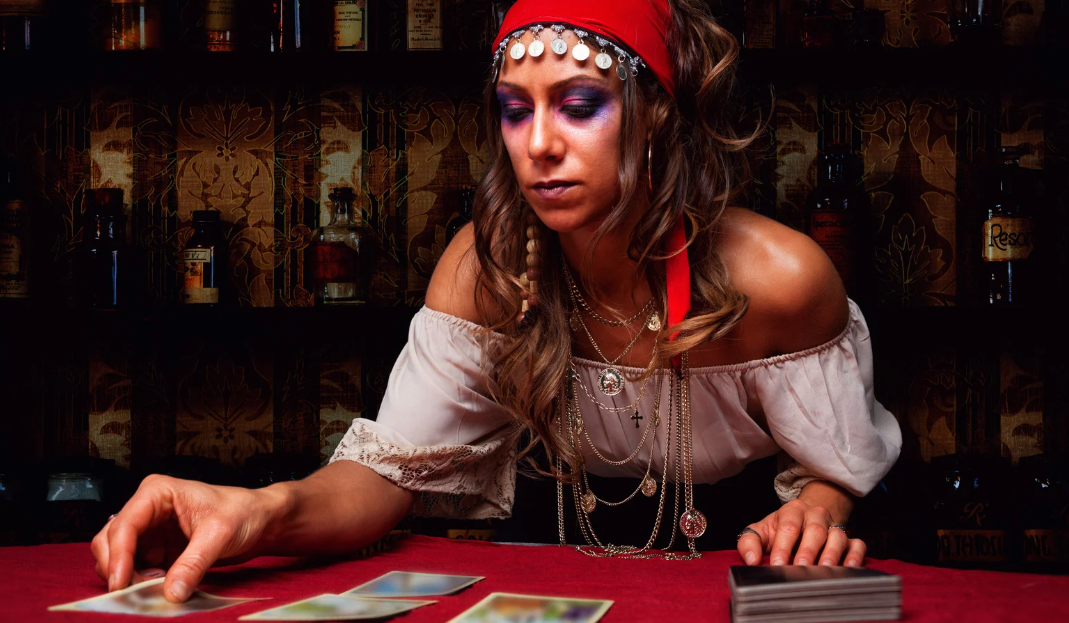
How Tarot Can Support Reflection Without Replacing Care
Some people use tarot images to name emotions, organize a journal entry or consider a situation from another perspective. That reflective use may feel meaningful, but tarot is not psychotherapy, a diagnostic test or an evidence-based treatment.
The safest approach keeps the cards optional, preserves personal choice and directs health concerns to qualified professionals.
Quick answer: tarot may function as a creative prompt for reflection, values and journaling. It cannot diagnose depression, anxiety, trauma, psychosis or any other condition, and it should never replace therapy, medication, crisis support or medical care.
Tarot Reflection Safety Map
Use this three-zone guide to decide whether a tarot practice remains proportionate and voluntary.
Reflect
- Name an emotion
- Explore a value
- Journal several options
- Notice a communication pattern
- Choose a small practical step
Use Caution
- Repeated pulls on one fear
- Seeking constant reassurance
- Reading while highly distressed
- Treating symbolism as fact
- Spending beyond a set limit
Stop and Get Support
- Self-harm or suicide thoughts
- Commands to harm someone
- Panic, severe confusion or sleeplessness
- Stopping treatment because of cards
- Tarot interfering with daily functioning
What Tarot May Help You Reflect On
Emotional Vocabulary
An image may provide words for grief, conflict, hope, uncertainty or a need that has been difficult to express.
Values and Priorities
A card can prompt questions about what matters, which boundary is important and which choice fits your values.
Alternative Perspectives
Considering several card meanings may loosen one rigid story and reveal other interpretations worth checking.
Journaling Structure
A spread position can organize writing around situation, feeling, assumption, support and next step.
Conversation Preparation
Tarot may help you decide what to discuss with a partner, clinician, counselor or trusted person.
Creative Expression
Artwork and archetypes can support drawing, storytelling or other creative reflection without being treated as clinical evidence.
What Tarot Cannot Establish
| Question | What tarot cannot establish | Appropriate next step |
|---|---|---|
| Do I have a mental-health condition? | A diagnosis or clinical assessment | Speak with a qualified health professional |
| Should I stop medication? | Medication safety or treatment changes | Contact the prescribing clinician |
| Is another person dangerous? | Proof of intent, abuse or a crime | Use observed behavior, safety planning and appropriate authorities |
| Will therapy work? | A guaranteed treatment outcome | Discuss goals, methods and progress with the provider |
| Am I imagining my symptoms? | Whether symptoms are physical, psychological or both | Seek an appropriate clinical evaluation |
| Will I be safe tonight? | Emergency-risk assessment | Use immediate crisis or emergency support |
A Grounded Five-Step Tarot Reflection
Check Your Current State
Pause if you are panicking, severely sleep-deprived, intoxicated or unable to think safely. Choose support rather than a reading.
Ask a Non-Diagnostic Question
Examples include “What feeling needs attention?” or “What support could I consider?”
Draw One to Three Cards
Use a small spread with defined positions. More cards do not automatically create more clarity.
Separate Observation From Interpretation
Write what you see, then list several possible meanings rather than treating the first association as fact.
End With a Real-World Step
Choose a safe action such as resting, contacting someone, making an appointment, checking information or setting a boundary.
Questions for Reflective Use
- What emotion am I having difficulty naming?
- What need or boundary deserves attention?
- What assumption could I check?
- Which part of this situation is within my control?
- What support have I not considered?
- What fact still needs verification?
- What small action would reduce harm or confusion?
- What would I like to discuss with a qualified professional?
Avoid medical, diagnostic, crisis, legal and guaranteed-outcome questions. Read Tarot Questions to Avoid and Reframe.
Tarot Is Not Therapy
Therapy is delivered by a qualified professional within a defined clinical relationship, using assessment, informed consent, confidentiality rules, treatment planning and professional accountability. A tarot session does not become therapy simply because it feels emotional or supportive.
A licensed therapist may choose to use images, metaphors or creative exercises within their professional scope. That does not make an ordinary tarot reader qualified to diagnose or treat a mental-health condition.
Tarot Alongside Therapy
Some people may bring a tarot journal or card image into therapy as a personal reflection, just as they might bring a dream, poem or artwork. Tell the clinician what the card brought up rather than asking the clinician to validate a supernatural claim.
Questions you could discuss include:
- Why did this image feel emotionally important?
- Which belief or memory did it activate?
- Did the reading increase fear or reassurance-seeking?
- How can I test the interpretation against facts?
- What coping or communication skill would be useful?
Compulsive Tarot Use and Reassurance-Seeking
Repeatedly asking the same question can provide brief relief while making uncertainty harder to tolerate. Warning signs include drawing until a preferred card appears, checking several readers, spending beyond your limit or feeling unable to decide without cards.
A practical pause can include putting the deck away for several days, recording the urge without acting on it, limiting paid sessions and discussing persistent anxiety or compulsive behavior with a qualified professional.
Trauma, Grief and Vulnerability
Tarot imagery may bring up memories, grief or fear. A reader should not pressure someone to disclose trauma, claim that abuse was spiritually chosen or use cards to excuse unsafe behavior. Spiritual labels such as karma, twin flame or soul contract do not override consent or safety.
Grief-related tarot can support remembrance or journaling, but it cannot guarantee contact with a deceased person or replace grief counseling when additional support is needed.
When to Seek Immediate Help
Do not use tarot as a crisis assessment. In the United States, call or text 988 or use the 988 Lifeline chat when you or someone you know is in emotional distress or having thoughts of suicide. Call 911 or local emergency services for immediate life-threatening danger.
Seek prompt professional support for severe confusion, hallucinations, mania-like symptoms, persistent sleeplessness, inability to function, self-harm thoughts, violent commands or feeling unable to remain safe.
Official resources: NIMH guidance on caring for mental health and the 988 Suicide & Crisis Lifeline.
Safe Reading Boundaries
- Keep the reading optional and time-limited.
- Do not diagnose, prescribe or advise stopping treatment.
- Do not present frightening images as inevitable harm.
- Do not use cards to create dependence or sell repeated cleansing.
- Respect privacy and another person’s autonomy.
- Encourage factual verification and qualified help when appropriate.
- End the session when the client is too distressed to participate safely.
Mindfulness or meditation sometimes accompanies card reflection. The National Center for Complementary and Integrative Health notes that research on adverse effects is limited and that some people report negative experiences, so reflective practices should not be assumed harmless for everyone. See the NCCIH meditation and mindfulness safety overview.
Related Tarot and Wellbeing Guides
Frequently Asked Questions
1. Can tarot improve mental health?
Tarot may support personal reflection or journaling for some people, but it is not an established mental-health treatment and does not guarantee improvement.
2. Is tarot a form of therapy?
No. Therapy is provided by qualified professionals within a clinical relationship. A tarot session may feel supportive without being psychotherapy.
3. Can tarot diagnose depression or anxiety?
No. Cards cannot diagnose any mental-health condition. Symptoms deserve assessment by a qualified health professional.
4. Can I use tarot while attending therapy?
You may use cards as a personal journal prompt and discuss what they brought up, but they should not replace treatment or professional guidance.
5. Can a therapist use tarot cards?
A qualified therapist may use images or creative tools within their professional scope, but the use of a tarot deck does not itself make an intervention evidence-based or clinically appropriate.
6. Can tarot tell me whether to stop medication?
No. Medication changes should be discussed with the qualified clinician responsible for prescribing or managing the treatment.
7. What are safe mental-health questions for tarot?
Ask about feelings, values, assumptions, support and practical next steps rather than diagnosis, treatment or guaranteed outcomes.
8. Can tarot make anxiety worse?
Yes, especially when someone repeatedly reads the same fear, interprets images catastrophically or becomes dependent on reassurance. Pause and seek support when anxiety increases.
9. What is compulsive tarot reading?
It involves feeling unable to stop, repeatedly drawing until a preferred answer appears or using cards for every ordinary decision despite increasing distress.
10. Can tarot help with grief?
It may support remembrance or journaling, but it cannot guarantee spirit contact and should not replace grief support when distress is persistent or disabling.
11. Should I read tarot during a panic attack?
A reading may add more interpretation when immediate grounding and support are needed. Stop, orient to the present and use appropriate professional or crisis resources.
12. What if a card tells me to harm myself?
A card cannot safely direct harm. Put the cards away and contact immediate crisis or emergency support. In the United States, call or text 988.
13. Can tarot prove that someone is abusive or dangerous?
No. Use observed behavior, documented evidence, safety planning and qualified support rather than a card interpretation.
14. When should I stop using tarot?
Stop or pause when it causes panic, sleeplessness, compulsive checking, unsafe choices, excessive spending or avoidance of needed care.
15. When should I seek professional help?
Seek help for persistent distress, impaired functioning, severe confusion, unusual perceptions, self-harm thoughts, violent commands or inability to remain safe.
Last editorially reviewed: August 18, 2026.
Try a Grounded Tarot Reflection
To practice the reflective approach described above without creating an account, try the free 3-card tarot reading. Every revealed card also connects to the 78-card tarot meanings reference. Use the tools for reflection rather than diagnosis, treatment or crisis decisions.