

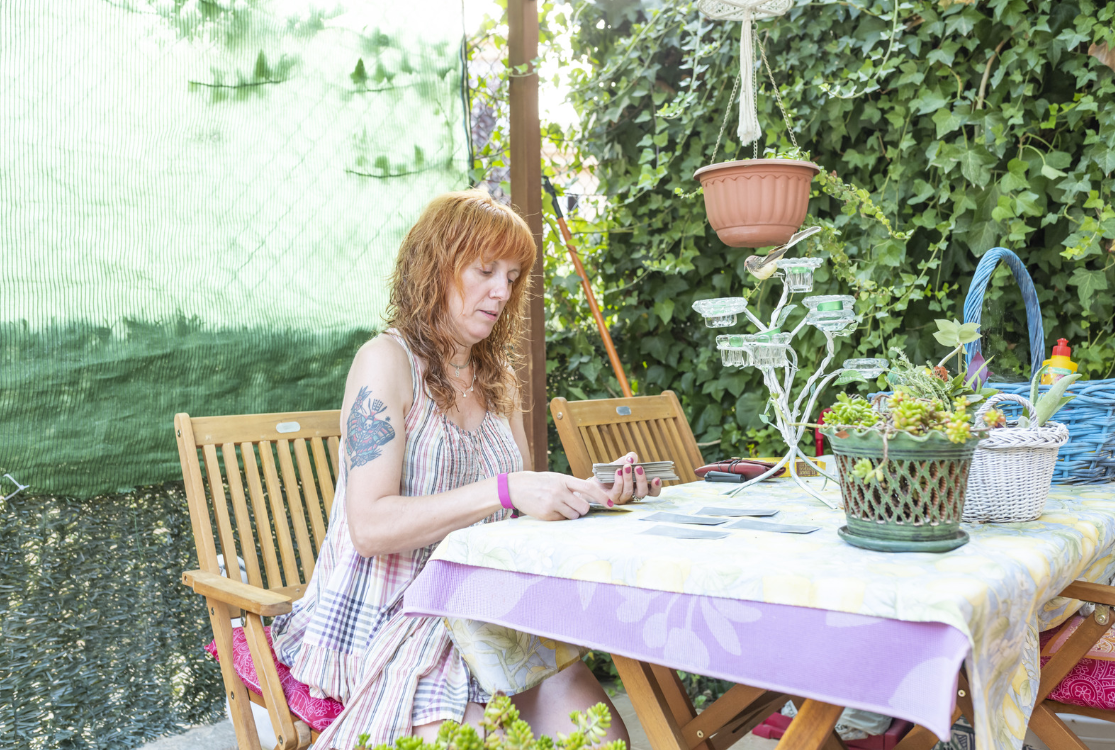
Tarot and oracle cards are both used for reflection, spiritual practice and intuitive readings, but they are not the same kind of deck. Tarot follows a recognizable 78-card structure, while oracle decks are created with many different themes, card counts and systems. Neither deck can guarantee the future. Their value depends on how thoughtfully the images and questions are interpreted.
Tarot Versus Oracle Cards
Choose tarot when you want a structured system with established card groups and traditional meanings. Choose oracle cards when you prefer a flexible deck built around a specific theme or message style. Many readers use both, but one clear question and one deck are enough for a useful reflective practice.
What Are Tarot Cards?
A standard tarot deck contains 78 cards. The deck is divided into 22 Major Arcana cards and 56 Minor Arcana cards. The Minor Arcana is organized into four suits, commonly called Wands, Cups, Swords and Pentacles, though some modern decks use different names.
Each suit normally contains cards numbered Ace through Ten and four court cards: Page, Knight, Queen and King. Because the structure is shared across many decks, people can learn one system and recognize similar patterns in another tarot deck. Use the all 78 tarot card meanings reference to compare Major Arcana, suits, upright meanings, reversals and reading contexts card by card.
What Are the Major Arcana?
The Major Arcana includes well-known cards such as The Fool, The Magician, The Lovers, Death, The Tower and The World. Readers often interpret these cards as broad life themes, transitions, values or turning points rather than ordinary daily details.
A dramatic card name should not be taken literally. For example, the Death card is commonly interpreted as transition, ending or transformation. The Tower may suggest disruption or the collapse of an assumption. Context, position and surrounding cards matter.
What Are the Minor Arcana?
The Minor Arcana is often used to explore everyday experiences, choices, relationships, work and emotional patterns.
- Wands are traditionally associated with energy, action, creativity and ambition.
- Cups are associated with emotion, relationships, imagination and connection.
- Swords are linked with thought, communication, conflict and decision-making.
- Pentacles are connected with work, resources, the body and practical matters.
These are traditional associations, not fixed rules. Artwork, deck guidebooks and a reader’s approach can change the emphasis.
What Are Oracle Cards?
Oracle cards do not follow one standardized structure. A deck may contain 30 cards, 44 cards, 60 cards or another number selected by its creator. Themes can include animals, affirmations, angels, archetypes, nature, relationships, astrology, personal growth or many other subjects.
Some oracle cards place a complete message on each card. Others rely mainly on artwork and a companion book. Because the system is flexible, oracle decks can feel accessible to beginners, but the quality and usefulness of a deck depend on its design and how it is used.
Main Differences Between Tarot and Oracle Cards
Tarot Cards
- Usually 78 cards
- Major and Minor Arcana
- Four suits and court cards
- Shared traditional framework
- Often used for detailed spreads
Oracle Cards
- No standard card count
- No required suits or arcana
- Deck-specific themes and meanings
- Often uses direct messages
- Flexible for short reflective pulls
Should Beginners Start With Tarot or Oracle?
Oracle cards may feel easier because the deck often provides a direct theme or written message. Tarot takes more time to learn because the reader becomes familiar with 78 cards, suits, numbers, court cards and relationships between cards.
That does not make oracle cards shallow or tarot cards automatically more accurate. Choose the system that encourages careful reflection rather than the one that seems more impressive.
How to Choose a Deck
- Review several sample cards before buying or using the deck.
- Choose artwork that is readable and emotionally comfortable.
- Check whether the guidebook explains the system clearly.
- Consider whether you want a traditional tarot structure or a specialized oracle theme.
- Avoid choosing only because a deck promises guaranteed predictions.
- For tarot, decide whether traditional imagery or a modern reinterpretation is easier for you to understand.
Questions That Work Well With Cards
Open-ended questions usually create more thoughtful readings than requests for certainty. Useful examples include:
- What part of this situation deserves more attention?
- What assumption may be limiting my choices?
- What strength can I use in this situation?
- What should I consider before making this decision?
- How can I communicate more clearly?
- What pattern may be repeating?
- What practical next step is available to me?
- What am I ready to release or change?
Questions that demand medical diagnoses, legal conclusions, guaranteed financial outcomes or control over another person’s free will are not appropriate uses of tarot or oracle cards. Read questions to avoid asking tarot cards.
Simple Tarot Spreads
One-Card Reading
A single card can focus attention on one theme without creating an overwhelming number of possibilities. Ask one clear question, draw one card and write several interpretations before deciding which feels relevant. See The Power of a Single Tarot Card. For a general interactive pull, try the free One-Card Tarot Reading. For a directional answer, use the free Yes or No Tarot Reading; for a stable daily reflection, use the free Daily Tarot Reading.
Three-Card Reading
Three cards can be assigned positions such as situation, challenge and next step. Other readers use past, present and possible direction. A spread position is a prompt, not a guarantee that the card predicts an event. You can test this structure with the free 3-card tarot reading and open the full meaning page for each card you draw.
Choice Comparison
Use one card for the opportunities connected with option A, one for the challenges of option A, then repeat for option B. Finish with a card representing a factor both choices share. Do not use the spread as the only basis for a major decision.
How to Use Oracle Cards
Oracle cards work well for a daily prompt, journal question or closing message after a tarot spread. Read the card, observe the artwork and write your first reaction before checking the guidebook. Then compare your personal response with the creator’s explanation.
For a complete deck-selection and seven-step reading method, see Oracle Card Readings: Meaning, Methods and Beginner Tips.
A direct affirmation can be useful, but it should not be used to deny difficult emotions or practical problems. Positive language is not a substitute for action, boundaries or professional support.
Can Tarot and Oracle Cards Be Used Together?
Yes. Some readers begin with tarot for structure and use one oracle card to summarize a theme. Others begin with an oracle card and then use tarot to explore the question in more detail.
Using more cards does not automatically produce a better reading. Stop when the interpretation is clear enough to reflect on. Repeatedly drawing cards until you receive the answer you want can create confusion and reinforce anxiety.
How to Prepare for an Online Card Reading
- Choose one main subject and two or three questions.
- Review the reader’s profile to confirm tarot or oracle expertise.
- Check the reading method, rate and availability.
- Set a time and spending limit before connecting.
- Keep notes and ask the reader to explain unfamiliar cards.
- Wait before acting on an emotionally intense interpretation.
For a tarot-specific checklist, read How to Prepare for an Online Tarot Reading Session. The broader guide to preparing for a psychic reading covers general session planning.
How to Interpret Cards Responsibly
- Describe possibilities instead of guaranteed outcomes.
- Consider the complete spread rather than one dramatic card.
- Separate traditional meanings from personal associations.
- Ask how an interpretation supports a practical next step.
- Do not use cards to diagnose illness or make accusations.
- Respect another person’s privacy and free will.
- Pause when readings increase fear, compulsive checking or dependence.
Use the eight-layer tarot interpretation method to combine imagery, suits, numbers, positions and context.
Tarot, Reflection and Mental Health
Some people use tarot as a journaling or reflective tool. It may help them name emotions or organize questions. Tarot is not psychotherapy and should not replace treatment from a qualified mental-health professional. A reader should not diagnose a condition, advise stopping medication or claim that cards can cure an illness.
Read Tarot Cards and Mental Health for more discussion of reflective use and appropriate boundaries.
How to Compare Tarot and Oracle Readers
Look for a profile that names the deck type, describes the reading style and explains which subjects the reader covers. Compare rates, availability, communication method and several recent client comments. Ratings describe individual experiences and do not guarantee accuracy.
Browse the Tarot and Oracle Cards hub for related articles. Readers on the psychic reader comparison page are provided through PsychicOz; ExpertPsychics.com does not directly conduct those readings.
Frequently Asked Questions
Are tarot and oracle cards the same?
No. Tarot uses a recognizable 78-card structure with Major and Minor Arcana. Oracle decks have no standard card count or required structure.
Which is easier for a beginner?
Many beginners find oracle cards easier because the messages are often direct. Tarot requires more study but offers a shared system that can support detailed readings.
Can tarot cards predict the future?
Tarot cards cannot guarantee future events. Readers may discuss possible directions or symbolic themes, but choices and circumstances can change.
Can I use tarot and oracle cards together?
Yes. One common method is to use tarot for a structured spread and an oracle card for a closing reflection. More cards do not necessarily mean more clarity.
Do reversed tarot cards have to be used?
No. Some readers use reversed cards and others read every card upright. Either method can be consistent when the reader explains the approach clearly.
How often should I ask the same question?
Avoid repeatedly asking until you receive a preferred answer. Give yourself time to reflect and act on available information before reading on the same question again.
Explore Tarot and Oracle Guides
Learn about card meanings, reading questions, spreads and responsible interpretation.