

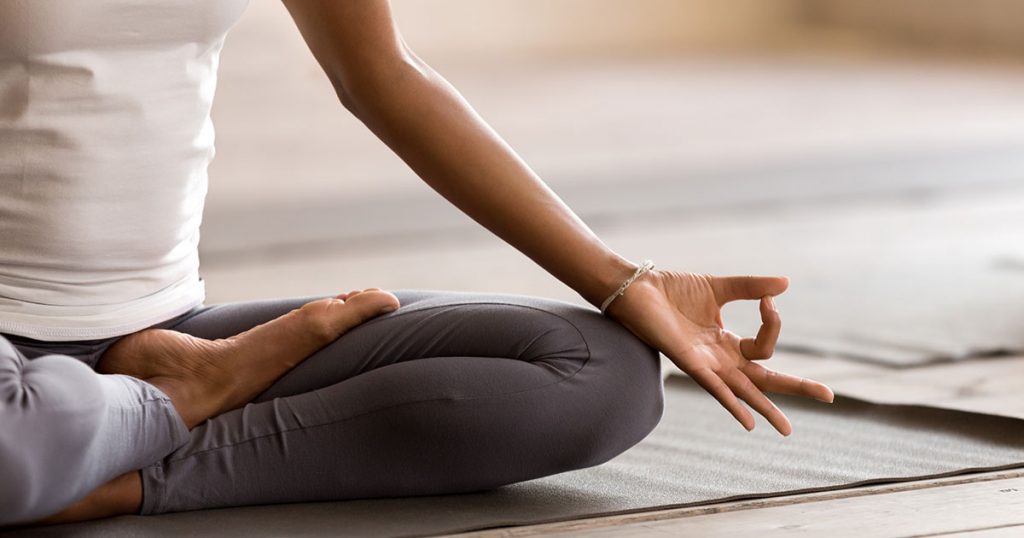
A beginner meditation plan should be simple enough to complete, varied enough to reveal what suits you and short enough that one difficult session does not feel like failure. This seven-day plan begins with three minutes and gradually introduces breath, body, sound, thoughts, kindness and personal choice. The goal is not instant calm. It is learning how attention works and building a routine you can adjust.
How should a beginner start meditating?
Begin with three to five minutes in a supported position. Use one clear anchor, expect the mind to wander and end by orienting to the room. Practice once a day for seven days, but shorten, modify or skip a method that causes pain, panic, dissociation, worsening sleep or other concerning symptoms.
Your seven-day meditation plan
Arrive
Notice feet, seat and three sounds. Learn how to begin and close.
Natural breath
Feel ordinary breathing without changing its depth or speed.
Body contact
Use hands, feet or the chair as a neutral physical anchor.
Sound
Listen to nearby sounds without needing silence or analysis.
Thoughts
Label thinking gently and return instead of suppressing it.
Kindness
Use a brief phrase of goodwill without forcing an emotion.
Choose
Repeat the most useful anchor and design next week’s routine.
Before Day 1: prepare a realistic setup
Choose one ordinary location and a time that is usually available. You do not need a special room. A chair beside a desk, a supported place on the bed or a quiet corner can work. Avoid practicing while driving, bathing, supervising someone who needs attention or operating equipment.
Prepare:
- A timer with a gentle sound.
- A chair, cushion or other support.
- A simple way to track the session.
- An alternative eyes-open anchor if breath awareness feels uncomfortable.
- A clear plan to stop if distress increases.
For detailed posture and breathing guidance, use How to Meditate: Posture, Breathing and Daily Practice.
Day 1: Arrive and orient
Set a three-minute timer. Sit, stand or lie in a position that feels stable. Notice the date, location and three points of contact with the environment. Listen to three sounds. When attention wanders, return to one point of contact.
At the end, open or refocus the eyes, move gently and name the next activity. This closing step teaches the nervous system that the exercise has a clear end.
Day 1 success means you began, noticed something and ended safely. It does not require relaxation.
Day 2: Notice natural breathing
Set four minutes. Find one place where breathing is easy to notice: nostrils, chest, abdomen or movement of clothing. Do not deepen, slow or hold the breath. Notice one inhale or exhale, then another.
If breathing becomes uncomfortable, switch to feet, hands or sound. Breath is one anchor, not a requirement.
Avoid forceful breathwork
Fast breathing, repeated deep breaths and prolonged breath holding can produce dizziness, tingling, panic or feelings of unreality. Return to normal breathing and seek medical help for severe or persistent symptoms.
Day 3: Use body contact
Set five minutes. Choose a neutral area such as hands resting on thighs, feet in shoes or the support under your back. Notice pressure, temperature and texture without scanning for illness or hidden meaning.
If pain is present, do not make it the anchor unless you have an appropriate pain-management plan. Shift position and choose a less intense sensation.
Day 4: Listen to sound
Set five minutes. Keep eyes open or closed. Notice sounds near and far. Let them begin, change and end without needing to identify each source. When a sound triggers a story—“That neighbor is always…”—label “thinking” and return to listening.
Sound meditation can suit people who become sleepy or distressed with inward focus. It also shows that meditation does not require silence.
Day 5: Learn to work with thoughts
Set six minutes and use your preferred anchor. When a thought appears, use one brief label:
- Planning
- Remembering
- Judging
- Imagining
- Worrying
Then return. Do not analyze why the thought appeared during the timer. If it concerns an important nonurgent task, write it down afterward. Respond immediately only to a genuine safety need.
Day 6: Add a kindness phrase
Set seven minutes. Begin with one minute of grounding, then repeat a phrase slowly:
- May I respond with patience.
- May I have enough support for today.
- May I act with care and clear boundaries.
You do not need to believe the phrase completely or manufacture warmth. Notice the response and return to the words. Avoid phrases that demand a guaranteed outcome or blame you for difficult emotions.
Day 7: Choose and review
Select the anchor that was easiest to return to, not necessarily the one that felt most dramatic. Practice for five to ten minutes. Then review the week.
What helped?
- Which posture was sustainable?
- Which anchor felt clear?
- What time was realistic?
- What duration supported attention?
- What closing method worked?
What needs adjustment?
- Did any method increase pain or fear?
- Was the timer too long?
- Did practice interfere with sleep?
- Did you become rigid or self-critical?
- Would eyes-open or movement practice fit better?
A simple beginner tracker
| Date | Minutes | Anchor | State before | State after | One adjustment |
|---|---|---|---|---|---|
| Example | 4 | Sound | Tired, mentally busy | Still tired, less scattered | Practice before dinner instead of bedtime |
| Day 1 | |||||
| Day 2 | |||||
| Day 3 | |||||
| Day 4 | |||||
| Day 5 | |||||
| Day 6 | |||||
| Day 7 |
Track observable effects rather than rating yourself as good or bad at meditation.
What should a beginner expect?
You may notice restlessness, planning, boredom, sleepiness, emotion, body sensations or brief calm. None proves success or failure. Attention naturally moves. The skill is noticing what happened and choosing whether to return.
| Experience | Possible adjustment |
|---|---|
| Constant thoughts | Shorten the session and use sound or touch as a clearer anchor |
| Sleepiness | Practice earlier, sit more upright or keep eyes open |
| Restlessness | Try walking meditation or a two-minute session |
| Body pain | Change posture, use support and seek health guidance when needed |
| Breath anxiety | Stop following breath and use external sound or sight |
| Emotional overwhelm | Open eyes, orient to the room, stop and use appropriate support |
| No special feeling | Continue measuring the practice of noticing and returning |
What if you miss a day?
Continue with the next day or repeat the missed exercise. Do not double the duration as punishment. A flexible routine is more likely to last than a perfect streak.
What if you have no quiet space?
Use headphones only when safe and at a hearing-protective level, or practice with ambient sound as the anchor. A parked vehicle may be used only when it is safely parked, turned off as appropriate and not creating heat, carbon-monoxide or security risks. A library corner, workplace break room or outdoor bench may work when local conditions are safe.
Accessibility and disability adaptations
Meditation does not depend on one posture, sensory ability or movement pattern. Adapt the anchor and instructions.
- Use a chair, bed, wheelchair or mobility support.
- Choose touch or sight instead of sound when hearing is limited.
- Choose sound or body contact instead of sight when vision is limited.
- Use a vibrating or visual timer.
- Reduce duration for fatigue, pain or cognitive load.
- Work with a qualified professional for condition-specific needs.
Beginners with trauma, panic or dissociation
Closed eyes, body scanning and silence can be difficult for some people. Keep eyes open, face the exit if that supports safety, use external objects and stop before overwhelm. Walking or gentle movement may feel more manageable.
Meditation should not be used to force exposure to traumatic memories. A trauma-informed clinician can help determine whether and how practice fits your care.
Meditation and spiritual expectations
You may use the seven-day plan in a secular or spiritual way. Spiritual experiences, imagery or strong emotion can be recorded without treating them as commands, diagnoses or predictions. For methods centered on prayer, sacred meaning and contemplation, read Spiritual Meditation: Meaning, Methods and Boundaries.
How to continue after Day 7
Choose one repeatable schedule for the next two weeks:
- Five minutes after waking on Monday, Wednesday and Friday.
- Three minutes before opening work email each weekday.
- Ten minutes of walking meditation on two safe afternoons.
- A five-minute mantra or kindness practice three evenings a week.
Set a minimum version: one minute still counts on a difficult day. Review after two weeks rather than increasing automatically.
Choose the routine by fit
The best method is the one you can practice safely and revise honestly—not the one that sounds most advanced.
When to pause or seek help
Important stop signs
- Severe panic, flashbacks or dissociation.
- Substantial sleep loss or unusual energy and impulsivity.
- Voices, visions or beliefs that are threatening or hard to reality-check.
- Worsening pain, fainting, chest symptoms or neurological concerns.
- Inability to work, care for yourself or maintain ordinary responsibilities.
- Thoughts of harming yourself or another person.
Use emergency or crisis services when safety is immediate. In the United States and its territories, call or text 988.
The National Center for Complementary and Integrative Health discusses meditation evidence and safety, including reported adverse effects.
Medication and treatment limits
Do not stop medication, therapy or medical treatment because meditation seems to help or because a teacher tells you to. Discuss changes with the relevant qualified professional. Meditation may complement care but cannot diagnose a condition or guarantee recovery.
Related meditation guides
- How to Meditate: Posture, Breathing and Daily Practice
- Spiritual Meditation: Meaning, Methods and Boundaries
- Meditation Mantras: Choosing, Repeating and Reflecting
- Meditation Benefits, Limits and Safe Practice Guide
- Third Eye Meditation: A Safe, Grounded Beginner’s Guide
Frequently asked questions
1. How many minutes should a beginner meditate?
Three to five minutes is enough to learn the basic setup and return skill.
2. Should beginners meditate every day?
Daily practice can help build a cue, but several safe sessions a week can also be effective for habit building.
3. What is the best meditation for beginners?
A short practice using a clear anchor such as sound, body contact or natural breath is a practical start.
4. Do I need a meditation app?
No. A timer and simple instructions are enough. An app may be useful when its privacy, cost and content fit your needs.
5. What if I cannot stop thinking?
You do not need to stop thought. Notice it, label it briefly and return to the anchor.
6. What if I miss a day?
Continue without punishment. You may repeat the day or move to the next exercise.
7. Can I meditate lying down?
Yes. Use support and recognize that lying down may increase sleepiness.
8. Is falling asleep bad?
No. It may mean you are tired. Practice earlier or prioritize needed sleep.
9. What if breath meditation makes me anxious?
Stop using breath as the anchor and choose sound, sight or physical contact.
10. Can I meditate in a noisy place?
Yes. Sound itself can become the anchor when the setting remains physically safe.
11. How do I know whether meditation is working?
Track completion, ability to return attention, sleep, mood and functioning rather than waiting for a special feeling.
12. Can children use this plan?
Children need age-appropriate, brief and voluntary practice with responsible adult guidance. Meditation should not be used as punishment.
13. Can meditation make me feel worse?
Yes, some people experience anxiety, traumatic memories or other distress. Modify or stop and seek support when needed.
14. Should I change medication after meditating?
No. Medication changes require guidance from the prescribing clinician or pharmacist.
15. What should I do after the seven-day plan?
Choose the most tolerable anchor, set a small repeatable schedule and review the effects after two weeks.